

Introduction
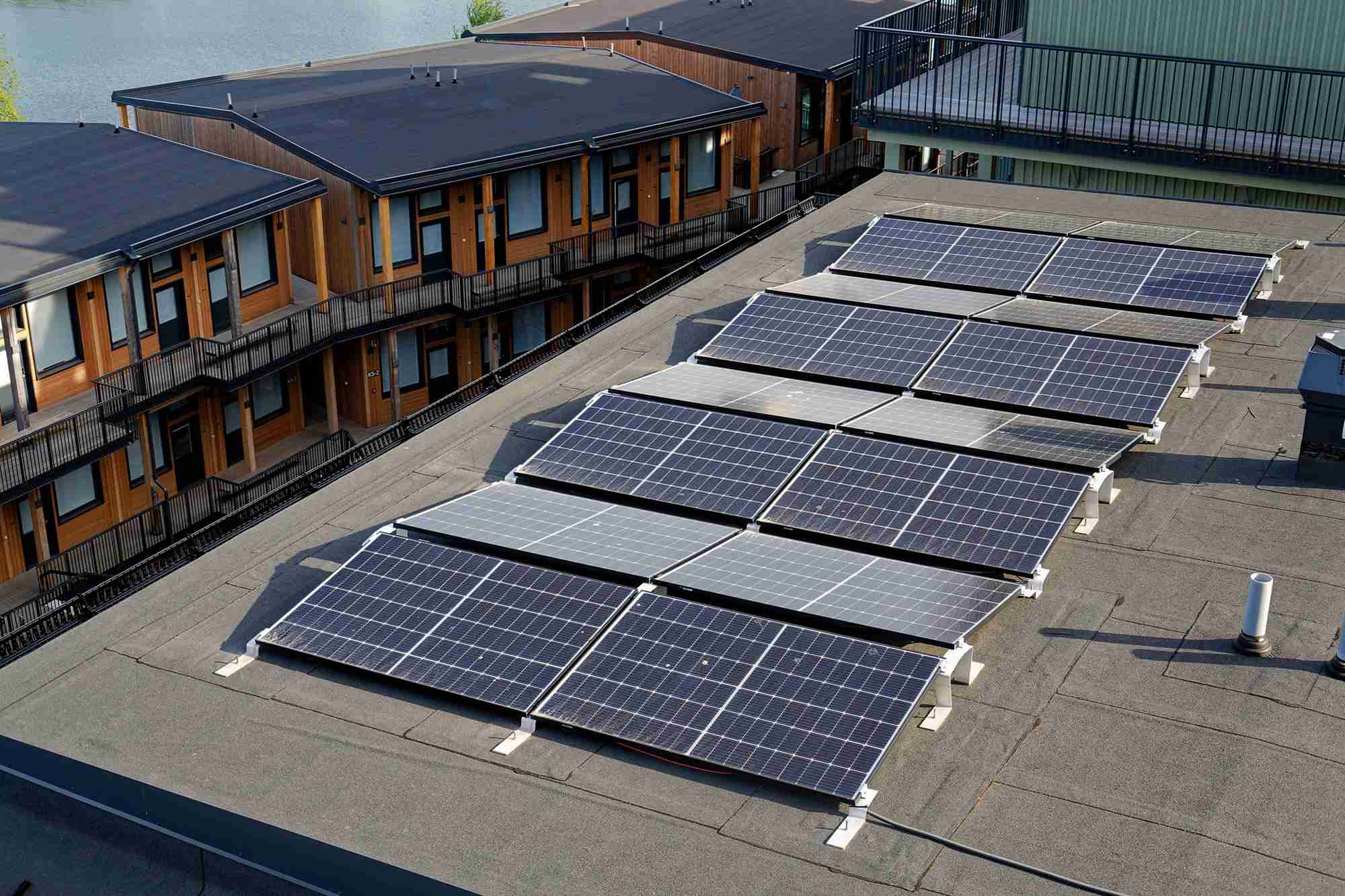
The waiting game is over. Solar energy is no longer a "future technology"—it is the most cost-effective power source available today. With grid tariffs rising annually and the climate crisis intensifying, the cost of inaction is becoming higher than the cost of adoption. Harnessing the power of the sun now allows businesses to lock in low energy costs and future-proof their operations against economic volatility.
Economic Resilience and Cost Control
Electricity is a major overhead for most businesses. Relying solely on the grid exposes you to unpredictable tariff hikes, fuel surcharges, and peak-demand penalties.
- Fixed Costs: Solar allows you to levelize your energy costs for the next two decades.
- Immediate Cash Flow: If you opt for an OPEX model (Power Purchase Agreement), you save money from day one without spending a single rupee upfront.
- Asset Value: A solar-equipped building has a higher property value and is more attractive to eco-conscious tenants.
Corporate Responsibility and Brand Value
Sustainability is a currency in the modern market. Consumers, investors, and B2B partners are increasingly favoring companies with green credentials.
- CSR Goals: Solar installation is a tangible, visible commitment to the environment that contributes directly to Corporate Social Responsibility targets.
- Supply Chain Compliance: Many global brands now require their suppliers to be green; adopting solar ensures you remain a preferred vendor.
- Marketing Edge: "Powered by Green Energy" is a powerful message that resonates with the modern, environmentally aware consumer.

.svg)
.svg)
.svg)
.svg)
.svg)
.svg)
.svg)


