

Introduction
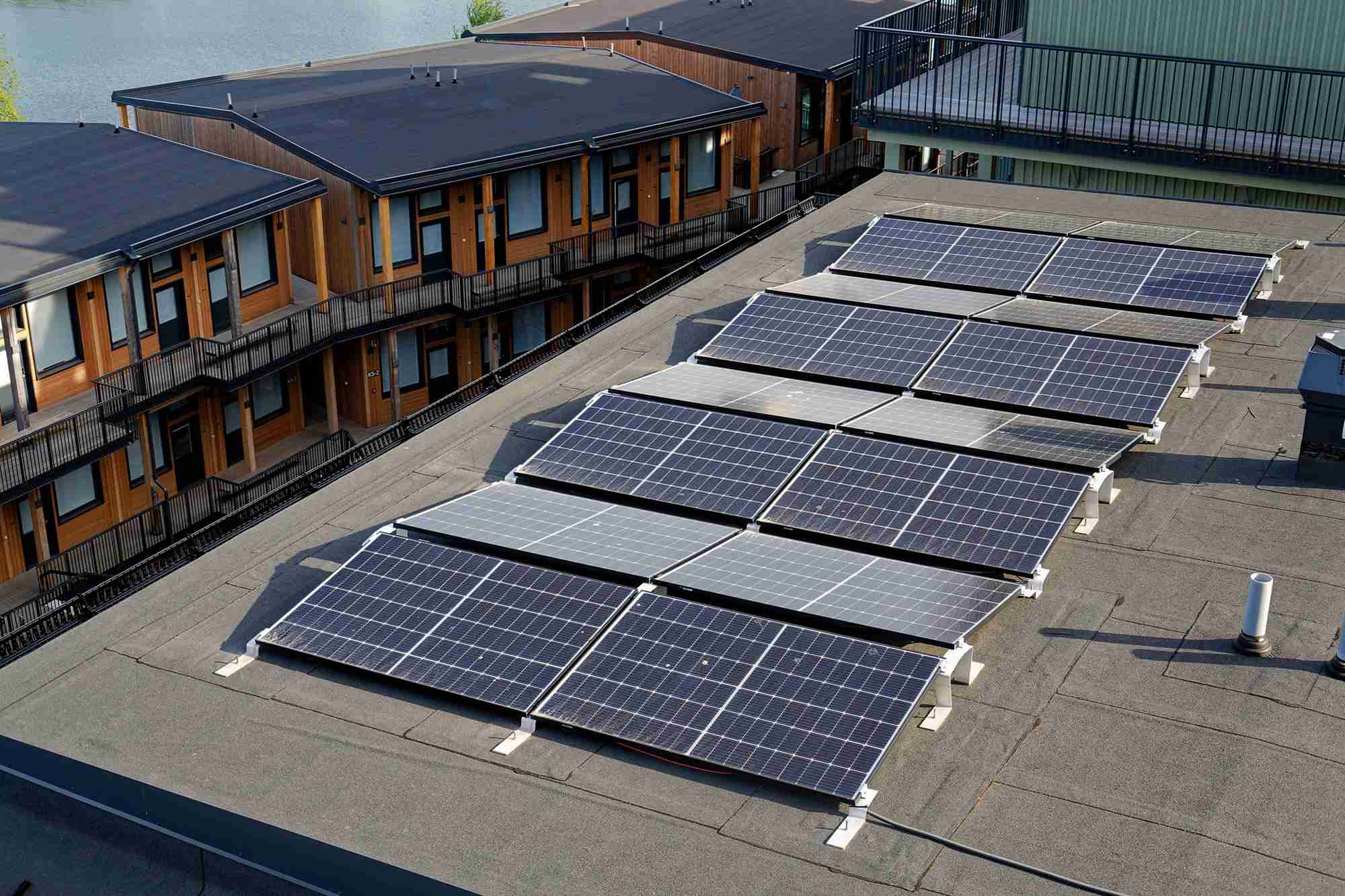
A solar power plant is designed for a 25-year operational life, but actual performance often deviates from theoretical models due to degradation and environmental factors. Effective Asset Management goes beyond simple cleaning; it involves data-driven interventions to preserve asset value. This white paper discusses the methodologies for Life Cycle Assessment (LCA) and the transition from reactive to predictive maintenance strategies using AI and IoT.
Degradation Mechanisms and PID Mitigation
Understanding why panels fail is key to prevention.
- Potential Induced Degradation (PID): This phenomenon causes massive power loss due to voltage leakage between the solar cells and the frame. Advanced inverters now include anti-PID kits that reverse this polarization at night, restoring module health.
- LID and LeTID: Light Induced Degradation (LID) occurs in the first few hours of exposure. Accounting for this in financial models is crucial to avoid revenue shocks in Year 1.
- Thermography: Drone-based thermal imaging is now the standard for detecting micro-cracks and hotspots that are invisible to the naked eye but can cause string fires if left unchecked.
The Role of Digital Twins in O&M
The future of O&M is digital.
- Real-time Benchmarking: "Digital Twin" technology creates a virtual replica of the solar plant. By comparing real-time data against the digital twin's theoretical output (adjusted for live weather), operators can identify underperformance instantly.
- Predictive Analytics: Machine learning algorithms analyze historical data to predict inverter failures or cable insulation breakdowns before they occur, allowing for Just-In-Time (JIT) replacement of parts.
- Spare Parts Strategy: Strategic inventory management based on failure rate data ensures that Mean Time To Repair (MTTR) is minimized, protecting the plant's availability guarantee.

.svg)
.svg)
.svg)
.svg)
.svg)
.svg)
.svg)


