

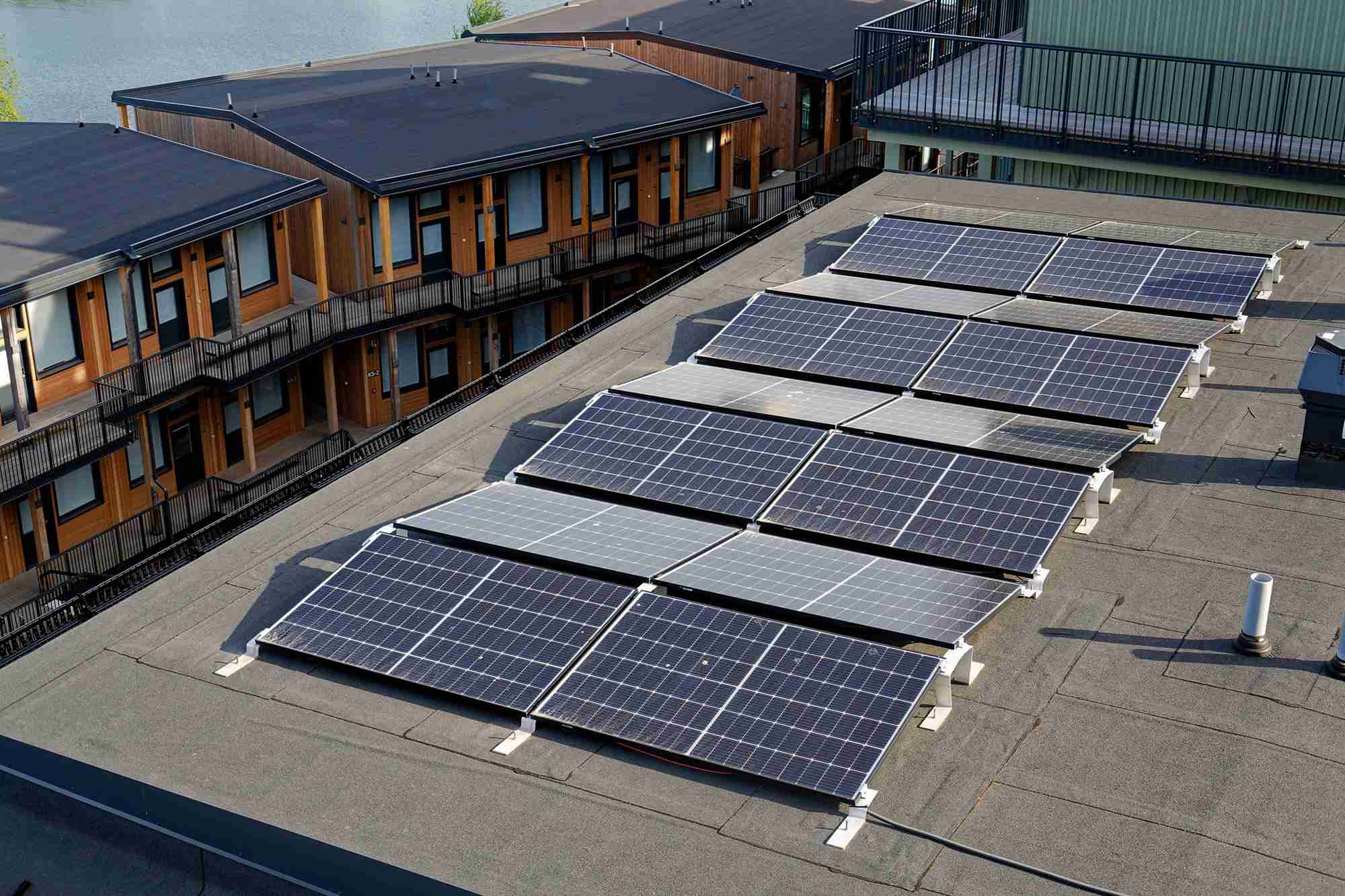
Introduction
For Commercial and Industrial (C&I) consumers, procuring renewable energy is no longer just a CSR initiative; it is a strategic hedge against energy inflation. The mechanism of the Power Purchase Agreement (PPA) has evolved to offer businesses long-term price visibility. This paper analyzes the shift from short-term open access procurement to long-term Group Captive and Third-Party PPAs, examining how these structures mitigate financial risk while accelerating Scope 2 emission reductions.
Analyzing the OPEX Model vs. CAPEX Ownership
Corporates must decide between capital investment (CAPEX) and operational expenditure (OPEX).
- Capital Allocation: The OPEX model (Resco) allows companies to preserve capital for core business expansion while still accessing green power at rates lower than grid tariffs.
- Performance Risk Transfer: In an OPEX PPA, the performance risk sits with the developer. The off-taker pays only for the units generated, insulating the business from technology failures or degradation issues.
- Regulatory Lock-in: Long-term PPAs (typically 15-25 years) provide a hedge against regulatory volatility in grid tariffs and fuel surcharges, offering a fixed or predictable escalation operational cost.
Navigating Regulatory Compliance and Open Access
The success of a Corporate PPA depends heavily on the regulatory framework of the specific state or region.
- Group Captive Structures: This model requires the consumer to hold a minimum of 26% equity in the project. It is increasingly popular as it often exempts the consumer from Cross-Subsidy Surcharges (CSS), maximizing savings.
- Banking and Settlement: Understanding "banking" provisions—the ability to store excess power with the grid and withdraw it later—is critical for maximizing the replacement of brown power with green power.
- Future-Proofing: Contracts must now account for changing regulations regarding Renewable Purchase Obligations (RPO) and Energy Storage Obligations (ESO).

.svg)
.svg)
.svg)
.svg)
.svg)
.svg)
.svg)


