

Beyond software and algorithms, AI’s rise relies on a critical backbone: data centres, power grids, advanced cooling, connectivity networks, and skilled talent. India enters this AI race from a position of considerable strength — as a top digital economy and massive prospective markets for AI adoption. Yet it still accounts for a modest share of global data centre capacity. Closing this gap can transform India into a globally trusted destination for AI compute, serving both domestic and international demand.
Investment is already accelerating. Between 2019 and 2025, India attracted approximately $94 billion in investment commitments for data centres, including over $56 billion in 2025 alone. Installed capacity has more than tripled since 2019, reaching the 1.9 GW mark in 2026, with a development pipeline expected to add around 4.5 GW over the next five years. The challenge now is to ensure that this expansion supports India’s AI ambitions without placing unsustainable pressure on electricity, water and other resources.
Meeting the challenge
Industry is stepping up to meet that challenge. Earlier this year, the Asia-Pacific Data Centre Association (APDCA) launched the Sustainable Digital Infrastructure Accord (SDIA) — the region’s first industry-led framework establishing voluntary sustainability commitments across energy efficiency, clean energy adoption, responsible water management and circular economy practices. For India, the SDIA offers a practical regional reference point as policymakers consider how to align data centre growth, AI ambition and sustainability outcomes across diverse State-level operating environments.
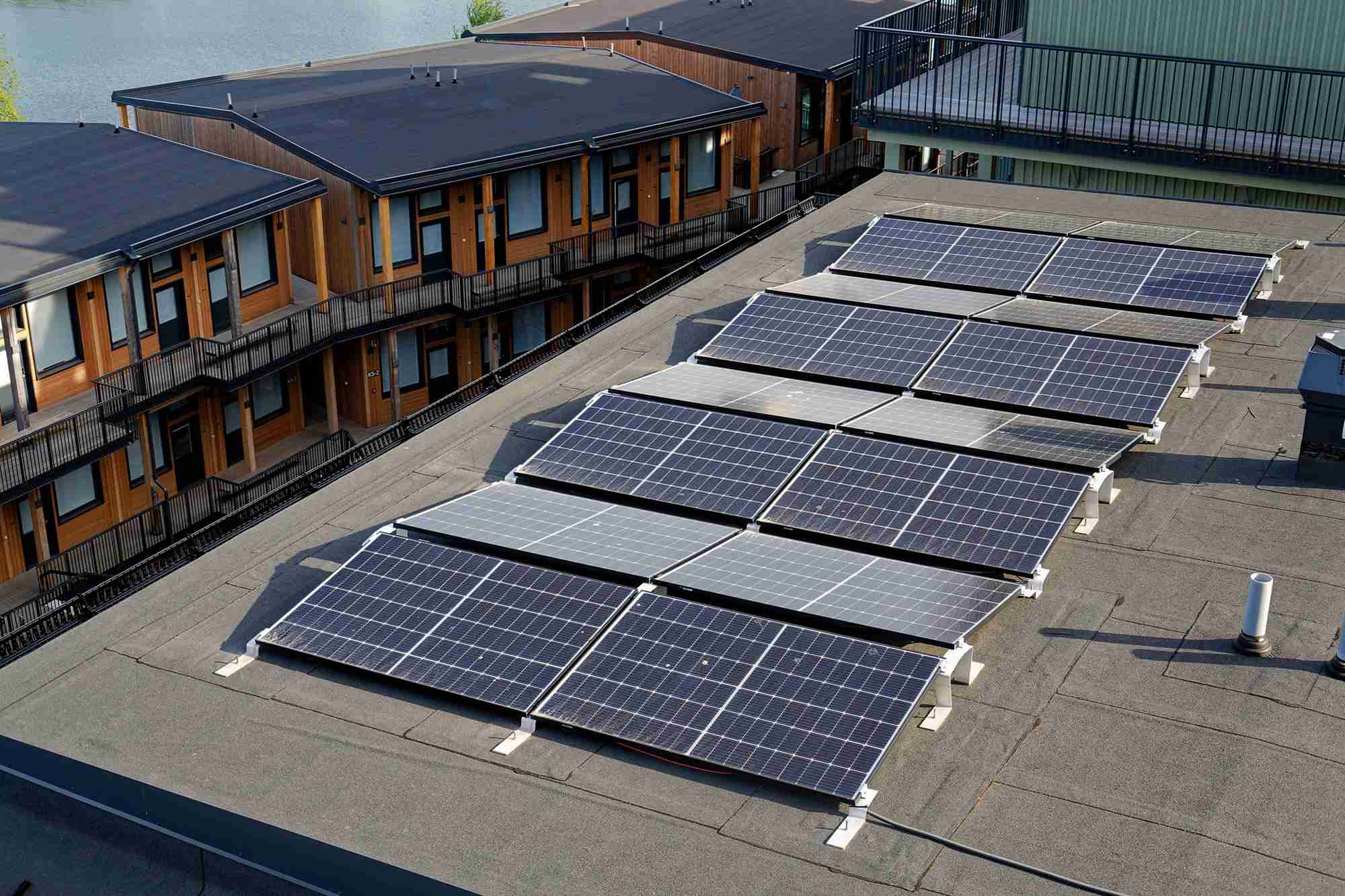
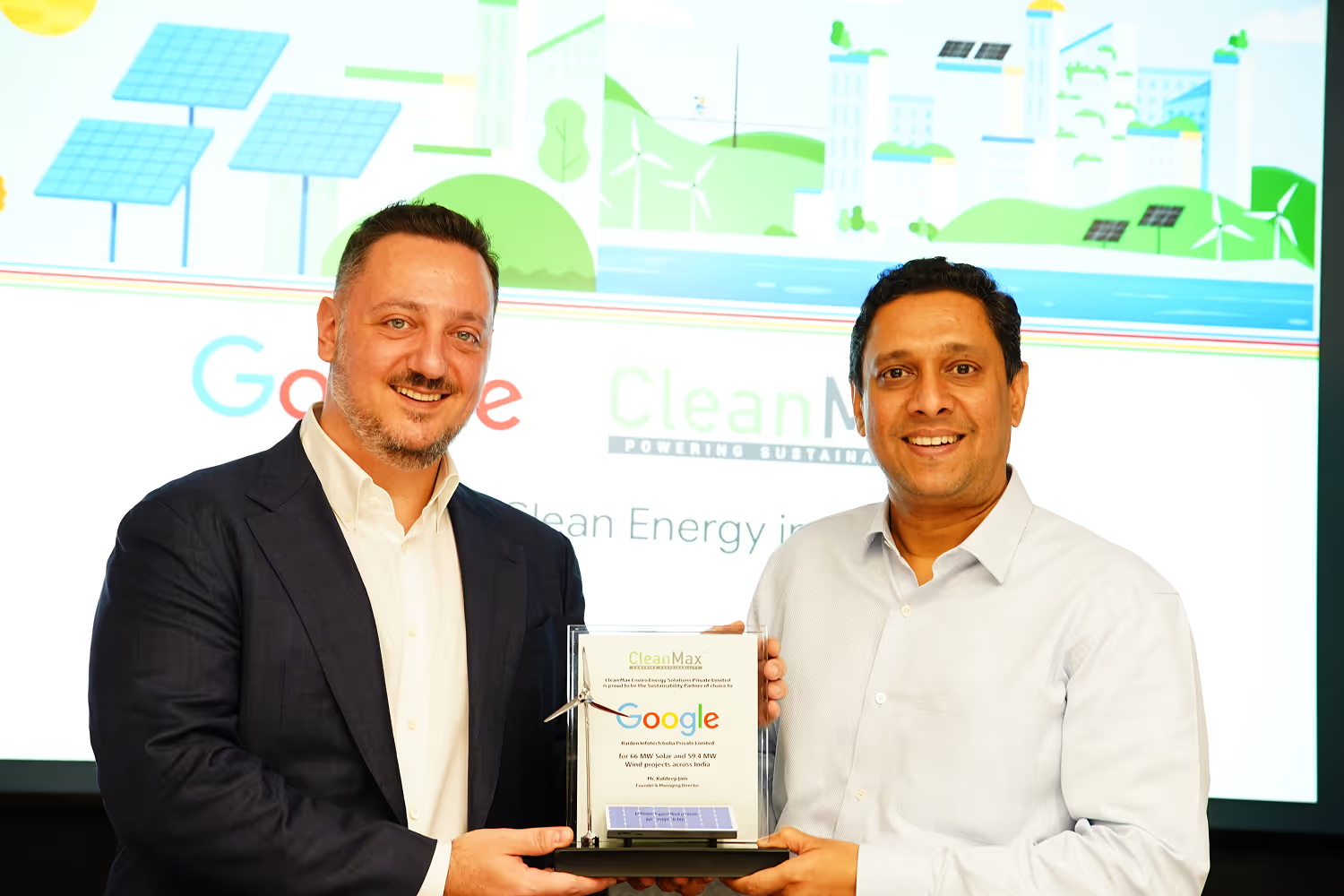
In fact, sustainability will increasingly be the differentiating factor and in this the industry’s contribution is noteworthy. Data centres are becoming anchor customers for new solar and wind projects, providing the long-term demand certainty needed to support investment. STT GDC India’s partnership with CleanMax has grown to more than 130 MW of hybrid renewable-energy capacity across Tamil Nadu and Maharashtra, bringing the renewable energy to approximately 70 per cent of STT GDC India’s total energy mix.
Other operators are pursuing similar approaches. Equinix has commissioned a captive solar project with CleanMax in Maharashtra, helping Equinix match 100 per cent renewable energy coverage for customer deployments in Mumbai. Princeton Digital Group has secured approximately 65 MW of renewable-energy capacity in India and is working with Tata Power Renewable Energy to match electricity consumption at its Mumbai campus with renewable generation on an hourly basis.
Innovation is equally transforming efficiency. NTT’s Navi Mumbai campus became India’s first production facility to deploy liquid immersion and direct-contact liquid cooling technologies, improving energy efficiency by as much as 30 per cent. STT GDC India has meanwhile improved Water Usage Effectiveness by 56 per cent since FY2021 through measures including recycled water use, wastewater treatment and air-cooled chillers in water-scarce locations. Equinix implements water-optimised cooling systems and air-cooled chillers to minimise stress on local water supplies.
This build-out is also creating wider economic opportunities: India’s data centre expansion is projected to generate close to one lakh skilled engineering and technical jobs by 2030, spanning areas such as cloud operations, advanced cooling, energy optimisation, power systems and critical-facilities management.
These developments demonstrate what is possible, but scaling them will require an equally forward-looking policy framework. Data centre operators can bring direct experience from building and operating critical digital infrastructure — from deployment challenges to energy sourcing and sustainability best practices — to help co-design workable policy measures that address real-world challenges.
Clean power
The single biggest requirement is reliable, affordable and scalable access to clean power. AI-ready data centres require round-the-clock low-carbon electricity at predictable prices over long horizons. Yet operators continue to navigate a fragmented landscape of varying state-level open access regulations, banking restrictions, approval delays and uncertain charges that complicate renewable energy procurement.
Greater consistency across these frameworks, alongside coordinated grid planning, long-term regulatory certainty and time-bound approvals, would make it easier for operators to enter into long-term clean-energy arrangements – unlocking investment in both renewable generation and digital infrastructure to support India’s wider energy transition goals.
This is where the importance of structured industry-government dialogue cannot be overstated and initiatives such as the SDIA enable operators to share practical experience from across Asia-Pacific on what enables investment, what creates avoidable friction, and how sustainability goals can be translated into workable implementation pathways.
International experience also offers useful lessons. South Korea’s Special Act on the Promotion of the AI Data Center Industry recognises qualifying AI data centres as strategic national infrastructure, provides single-window approvals and incorporates measures to secure reliable power supply. India need not replicate another country’s model, but it can certainly adapt such best practices to its own federal context.
India possesses the market scale, engineering talent, entrepreneurial energy and policy ambition to become a leading destination for sustainable AI infrastructure. The opportunity before us is therefore much larger than constructing more data centres.
It is to demonstrate that rapid AI-led growth and environmental stewardship are not competing objectives but mutually reinforcing pillars of national competitiveness.
Because the AI race is, in reality, a race for sustainable compute.
Ramachandran is President, Broadband India Forum, and Adaggra is APDCA Board member and President, APAC,
Source: Business Line
.svg)
.svg)
.svg)
.svg)
.svg)
.svg)
.svg)


